Call Us
+8613735147015
Knots in Wood Flooring: A Sign of Natural Character

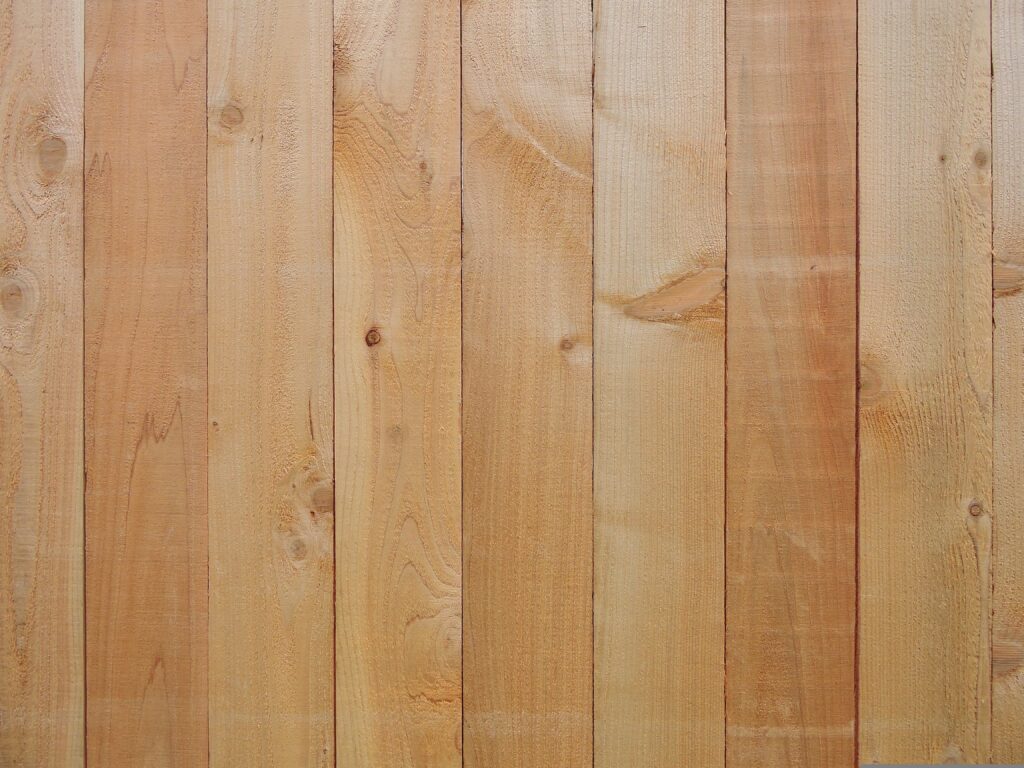
When you notice a knot in a wooden floor, do you see an imperfection—or a glimpse of the tree it came from?
For a long time, a clean, uniform surface has often been associated with quality. Even colour, consistent grain and a lack of visible knots can make a floor appear more refined. By comparison, the natural variations in timber are sometimes treated as flaws to be removed.
But wood does not grow to a specification sheet. Every tree develops in its own way, shaped by its branches, its growing conditions and the passage of time. When the timber is cut and made into flooring, traces of that growth remain visible.
A knot is one of those traces. It can give a floor its character, but appearance alone does not tell us whether a piece of wood is sound. To understand knots in wood flooring, it helps to look beyond the surface.
Understanding Knots: What the Wood Tells Us
A knot forms where a branch grows from the trunk. As the tree continues to develop, new wood grows around the base of the branch, leaving a distinctive feature within the timber. Depending on the species, the branch and the conditions in which the tree grew, a knot may appear small and subtle or dark and pronounced.
This is part of what makes natural wood flooring different from a surface printed to look like wood. Its grain and knots are not simply repeated decorative patterns; they reflect the structure and growth of the original material.
In timber grading, you may also come across the terms live knots and dead knots. Broadly speaking, the distinction relates to how the branch developed and how well the knot is integrated with the surrounding wood.
A sound, firmly attached knot may be an acceptable feature in a particular flooring grade. A loose knot, on the other hand, may leave a hole or become dislodged. The distinction cannot always be made from colour alone, and grading terminology can vary according to the applicable standard and product specification.
This is why a dark knot should not automatically be considered a defect, just as a pale, uniform board should not automatically be considered superior.
The important questions are more practical: Is the knot sound? Is the surrounding timber structurally intact? Does the board meet the requirements of its intended grade?

Do Knots Affect Wood Flooring Quality?
The short answer is: they can, but not all knots do.
When assessing wood flooring quality, knots are only one part of the picture. Their size, condition and position matter, as do other factors such as the timber’s moisture content, machining accuracy, surface finish and the grading requirements of the finished product.
A floor with sound, well-integrated knots may meet the requirements of its specified grade and perform as intended. A board with loose knots, significant splitting, decay or other structural defects may require further processing or rejection, depending on the product standard.
Different wood species and flooring grades also allow different levels of natural variation. Some products are selected for a more uniform appearance, while others retain more of the timber’s visible character. Neither approach is inherently better in every situation; they serve different design preferences and product requirements.
For manufacturers and suppliers, the goal is not simply to remove every visible knot. It is to select the right material, assess its condition and ensure that the finished flooring meets the agreed quality criteria.
Natural features and good quality are not opposites. The key is knowing which characteristics to retain and which defects to address.
The Beauty of Wood Lies in Its Differences
Once we stop expecting every board to look identical, another side of wood begins to emerge.
A knot can interrupt an otherwise flowing grain and give the surface a stronger visual rhythm. Variations in tone create subtle contrasts from one board to the next. Together, these details bring depth and texture to a floor, making it feel less uniform and more connected to the material itself.
For interiors that celebrate natural materials, these qualities can be particularly appealing. A floor with visible knots and varied grain can sit comfortably in rustic, Scandinavian-inspired or contemporary spaces where warmth and texture matter more than perfect uniformity.
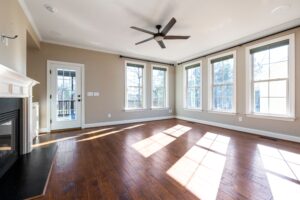
Imagine sunlight moving across a wooden floor throughout the day. The grain shifts between light and shadow, and each knot becomes part of the changing pattern. The floor is no longer just a surface beneath our feet; it becomes part of the atmosphere of the room.
Of course, not everyone wants this degree of variation. For a quieter, more consistent look, flooring with fewer visible knots and a more uniform colour may be the better choice. For those who appreciate the individuality of natural timber, a grade that permits more visible features may feel more authentic.
The right choice depends on the space, the product specification and the look you want to live with.

At Kelai Wood, we believe that understanding wood means respecting both its natural character and the standards that make it suitable for everyday use. A knot can tell part of the story of a tree, but good flooring still depends on careful material selection, sound processing and appropriate quality control.
A knot is a mark of growth, not automatically a mark of poor quality. It reminds us that wood was once living material, shaped by time rather than manufactured to look exactly like every other piece.
We do not need to regard every natural mark as a flaw, nor should we overlook genuine defects in the name of natural beauty. The real value lies in knowing the difference.