Call Us
+8613735147015
How to Protect Wood Flooring from Water Damage
Wood flooring is valued for its natural look and long-term durability. However, water exposure remains one of the most common concerns when using a wood floor in daily life.
In many situations, spills, humidity, or unexpected leaks can affect the performance of wood flooring. Even with careful maintenance, problems such as swelling, edge lifting, or discoloration may occur if moisture is not handled properly.
At Kelaiwood, we have seen real cases from international clients. One customer reported that after a pipe burst overnight, the installed engineered wood flooring was badly damaged. The end user questioned whether the product was waterproof. In fact, most wood flooring products, including engineered wood flooring, are not fully waterproof because they are made from natural wood materials. They are designed to be water-resistant, not waterproof.
Understanding this is important. Wood flooring does not fail because of brief contact with water, but because water stays too long and penetrates into the structure.
Wood is a natural material that reacts to moisture. When water enters the joints of a wood floor, it can be absorbed into the core layer, causing expansion and deformation. In more serious cases, long-term moisture may affect the subfloor and lead to further damage.
In practice, protecting wood flooring is about managing moisture rather than avoiding water completely.
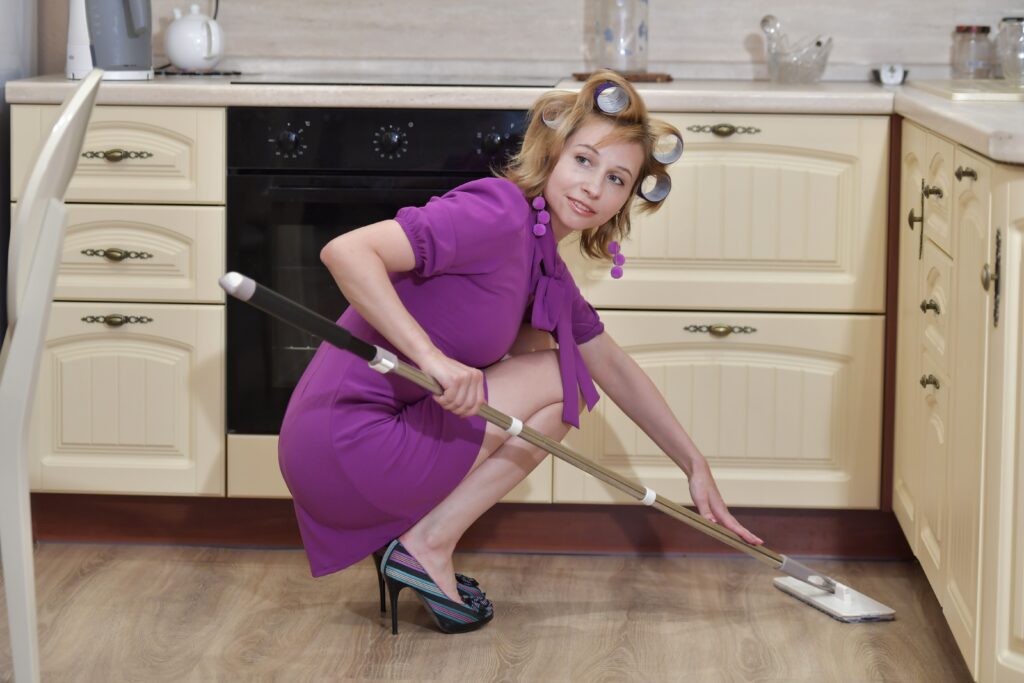
In areas such as kitchens, bathrooms, and balconies, where water exposure is more frequent, simple protection methods can help. Using absorbent mats, controlling water flow at transitions, and improving installation details are effective ways to reduce risk.
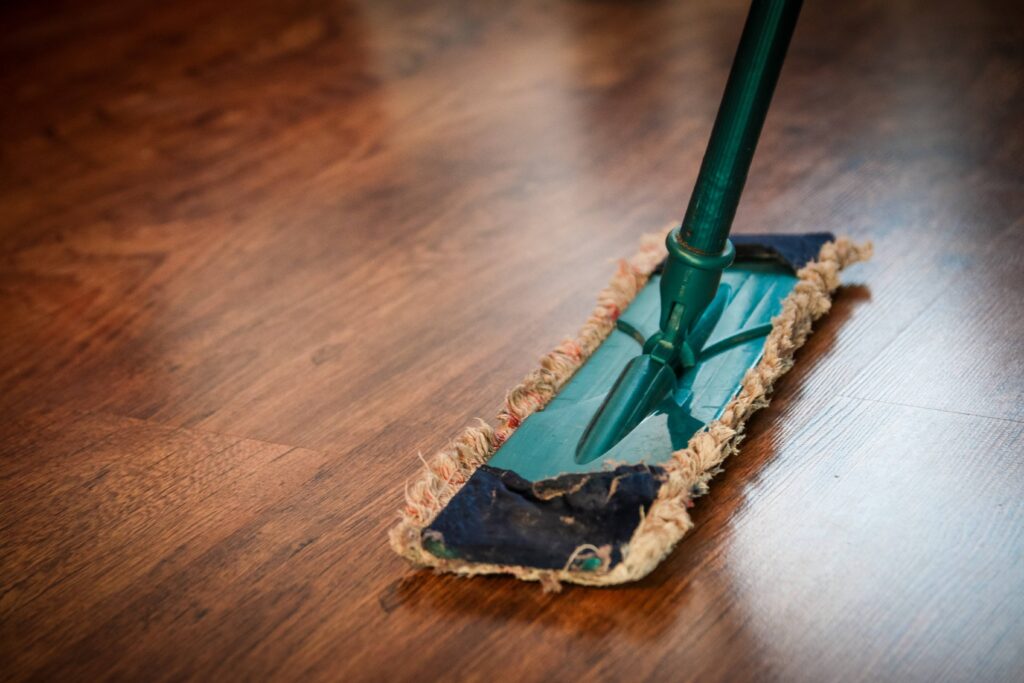
Daily care is also essential. Any liquid should be cleaned immediately, especially around joints. Cleaning should be done with a well-wrung damp mop instead of excessive water. Using proper wood floor cleaning products instead of large amounts of water helps prevent unnecessary moisture exposure.
Hidden risks should not be ignored. Leaking pipes, air conditioning drainage, or appliance connections are common causes of unnoticed water damage in wood flooring. Regular checks can help prevent these problems.
If water damage occurs, quick action is critical. The water source should be stopped immediately, and any standing water should be removed as soon as possible. If moisture has reached beneath the wood floor, the affected boards should be lifted to allow proper drying.
After drying, the condition of the flooring should be evaluated. Minor damage in solid wood flooring may be repairable, but if engineered wood flooring shows swelling or internal damage, replacement is usually the safer solution.
Maintaining a stable indoor environment is also important. Avoid placing unprotected water containers directly on the floor, and control humidity levels throughout the year.
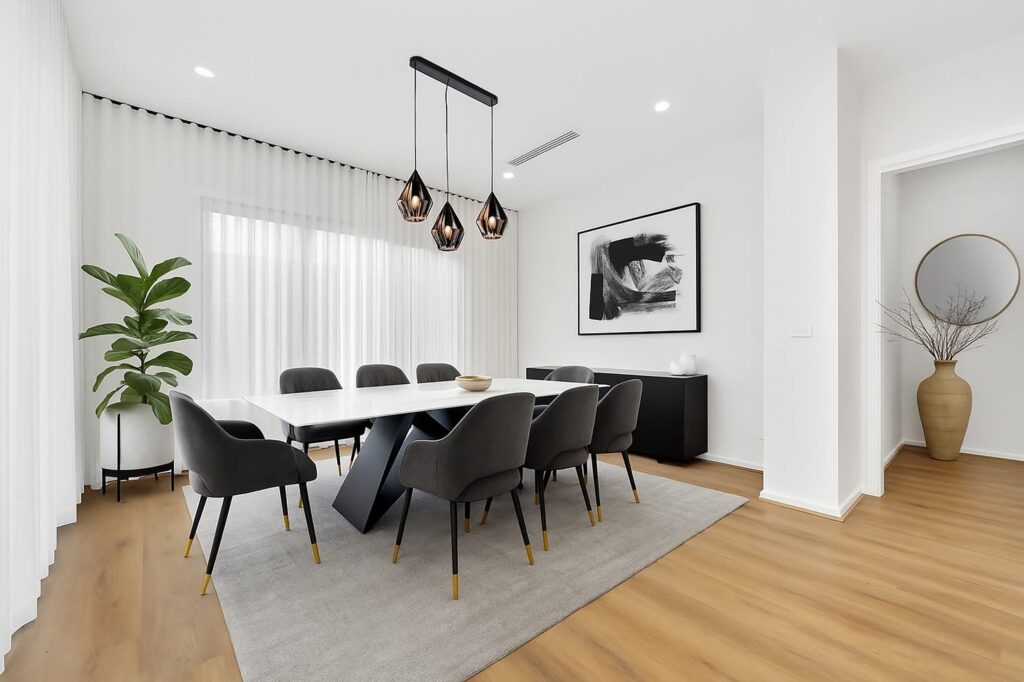
With proper care, wood flooring is not as fragile as many people think. By managing moisture effectively and responding quickly, both solid wood flooring and engineered wood flooring can maintain their performance for many years.